

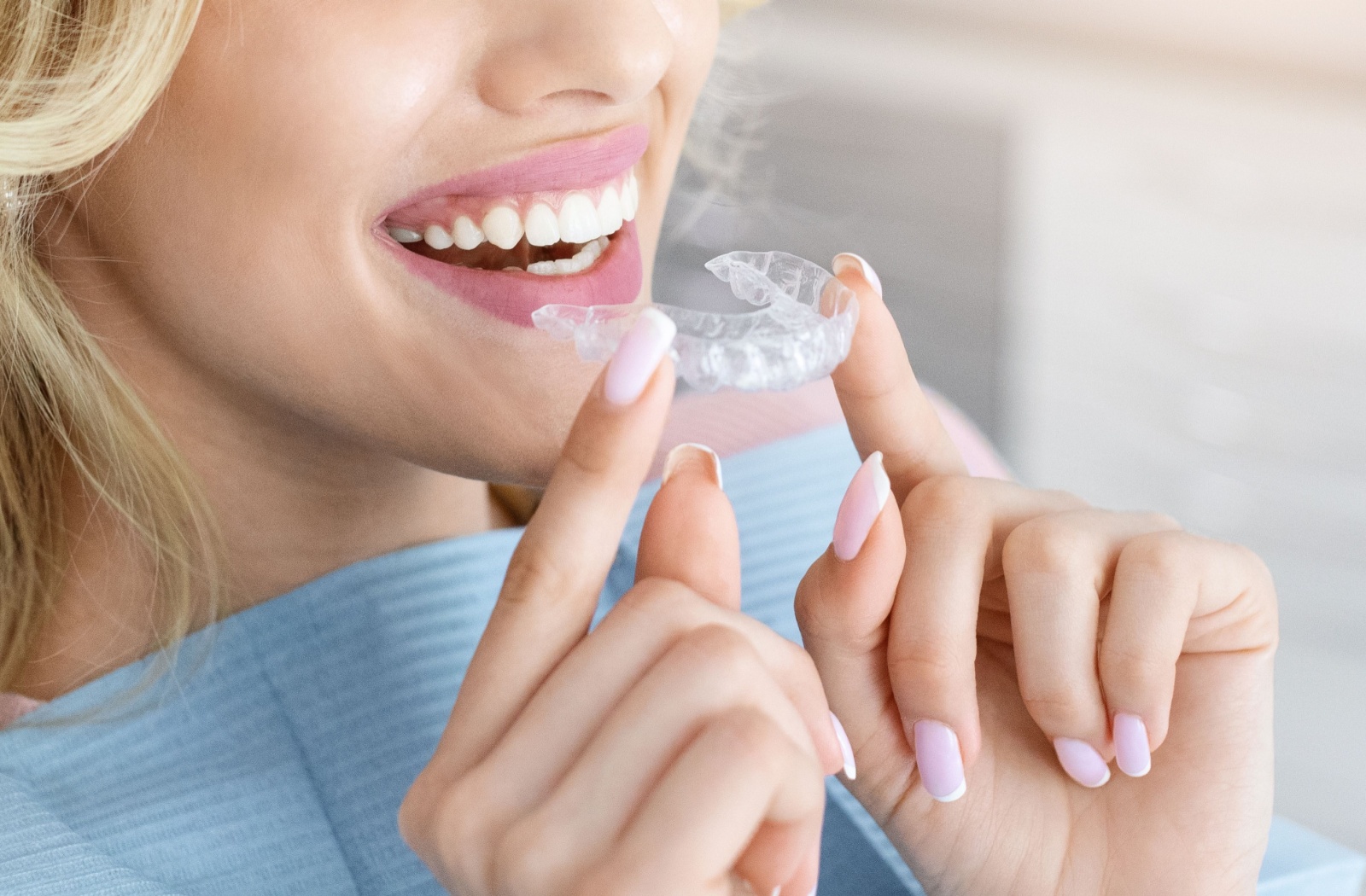
You’re thinking about straightening your teeth with Invisalign, but you’re stuck on one question—will it be painful? At Centennial Smiles, the team understands. Our guide walks you through what straightening your teeth with Invisalign feels like, from the first day to the final result.
While most people experience temporary discomfort or pressure, the Invisalign process is not typically painful. Feelings of discomfort usually indicate that the aligners are gently guiding your teeth into their new positions.
What To Expect When You Start Invisalign
Your journey to a new smile begins with your first set of aligners. While “pain” isn’t the word most people use, you can expect to feel some new sensations as your teeth begin their gentle shift. Learning what to expect at your first visit can help you feel prepared and at ease.
The First Few Days
When you first put in a new set of aligners, especially the very first one, it’s common to feel a few things as your mouth adjusts:
- A snug, pressure-like sensation
- Mild tenderness or soreness
- A temporary lisp while you get used to speaking
How Long Does Discomfort Last?
The feeling of pressure indicates that the aligners are working to achieve the goals of your orthodontic treatment. For most people, any tenderness fades within 1 to 3 days of starting a new tray. As you continue your treatment, you’ll become familiar with this brief adjustment period.
Understand The Difference Between Discomfort & Pain
It’s helpful to know what’s normal in the process and what might indicate it’s time to check in with your dental team. Recognizing the difference between gentle pressure and sharp pain can ease any anxiety about dental visits.
The Normal Sensation Of Pressure
The consistent pressure from your aligners is what moves your teeth. Think of it as a firm hug for your teeth—it’s noticeable, but it shouldn’t feel sharp. The sensation is strongest for a day or two after you switch to a new tray.
When To Contact Your Dentist
While some tenderness is expected, sharp or persistent pain is not. If you feel a specific spot pinching or cutting your gums or cheeks, it’s a good idea to connect with your dentist in SW Calgary to make sure your aligners fit correctly.
How Invisalign Compares To Traditional Braces
Many people wonder how the Invisalign experience measures up to traditional metal braces. While both are effective for correcting issues such as crooked teeth or a poor bite, their approach to comfort differs. Y
Smooth Plastic vs. Metal Brackets
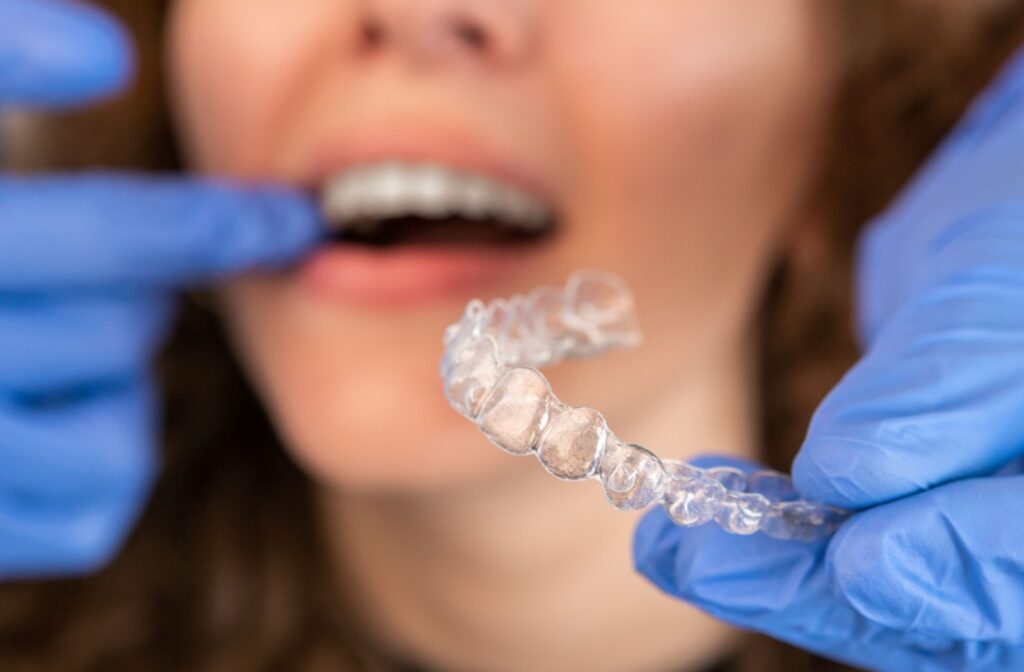
Invisalign aligners are made from a single piece of smooth, clear plastic. This design helps you avoid scrapes and irritation that metal brackets and wires can sometimes cause to your cheeks and lips.
Gradual Pressure vs. Tighten Adjustments
With Invisalign, you switch to a new aligner tray about every 1 to 2 weeks, with each tray making a small, planned movement. The gradual process is often more comfortable than the periodic—and more intense—tightening appointments required for braces.
Simple Tips To Manage Discomfort
If you feel some tenderness with a new set of aligners, there are simple ways to make the adjustment period smoother. You can find these tips and other oral health information in the online resources to help you feel more comfortable as you get used to each new tray.
- Switch to new trays before bed: Put in a new set of aligners just before you go to sleep. This allows you to adjust overnight, so you may feel less pressure during the day.
- Eat softer foods for a day: If your teeth feel sensitive, a common side effect of any orthodontic work, stick to foods like soup, yogurt, or smoothies for the first day with a new tray. Learning more about managing tooth sensitivity can be useful.
- Use a cold compress: Apply a cold compress to the outside of your cheek for a few minutes at a time to help relieve tenderness.
Answers To Your Top Invisalign Questions
You’re not the first to have questions about what to expect with Invisalign clear aligners. Here are straightforward answers to a few common queries about the experience.
What Is The Toughest Part Of The Process?
The first week is often the most significant change; getting used to wearing the aligners, taking them in and out, and experiencing the initial pressure on your teeth can be challenging at first. After that initial adjustment, it becomes a simple part of your daily routine, which includes knowing how to properly clean your aligners.
How Do You Survive The First Week?
To make the first week easier, focus on the new habit. Practice taking your aligners in and out, keep your storage case handy, and remember that any initial tenderness will quickly pass. It’s all about building a new routine.
What Hurts More: Invisalign Or Braces?
You may find that Invisalign involves less discomfort than traditional braces. The smooth plastic and gradual movements typically result in a more comfortable experience, letting you avoid the mouth sores that can come from metal wires.
How Centennial Smiles Can Help
The journey to a straighter smile is exciting, and knowing what to expect can make all the difference. The pressure you feel from Invisalign aligners is a temporary and productive part of the process—a sign that you’re on your way.
If you have more questions about what your own Invisalign experience could look like, the team at Centennial Smiles is ready to help. You can explore your options in a comfortable, supportive space designed with your wellness in mind. If you’re ready to start your journey, book a consultation with us today. We look forward to straightening your smile–together.