

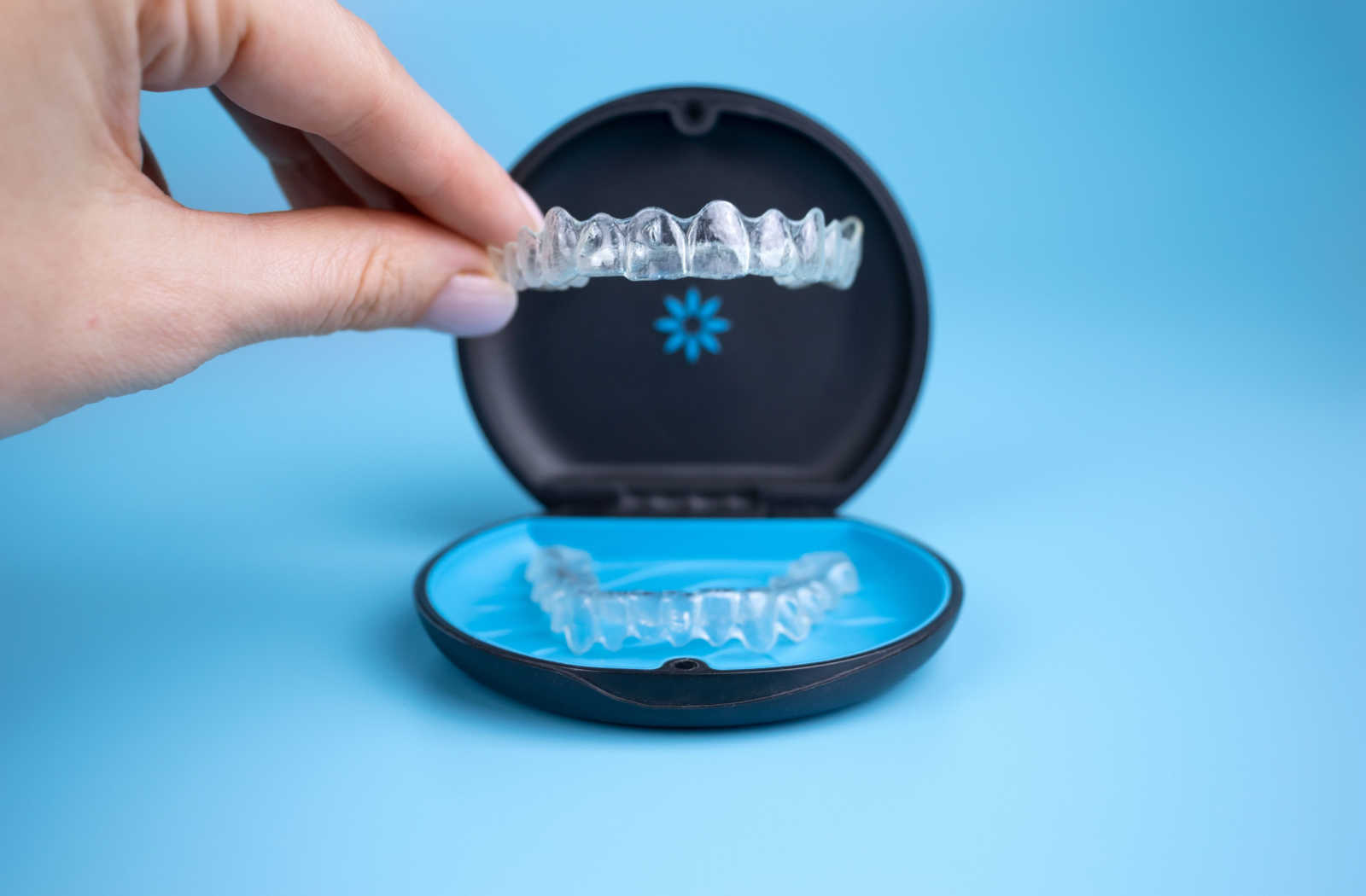
You want a straighter smile, but you may have questions about the best way to get there. At Centennial Smiles, our team understands that exploring your orthodontic treatment options is an important step. Both traditional braces and Invisalign® clear aligners are popular treatments that can help you achieve your goals.
The choice between Invisalign® and braces is a personal one that depends on your unique smile, lifestyle, and goals. Neither option is better than the other—it’s all about finding the right fit for you. Understanding how each treatment works is the first step in making an informed decision.
What to Know About Traditional Braces
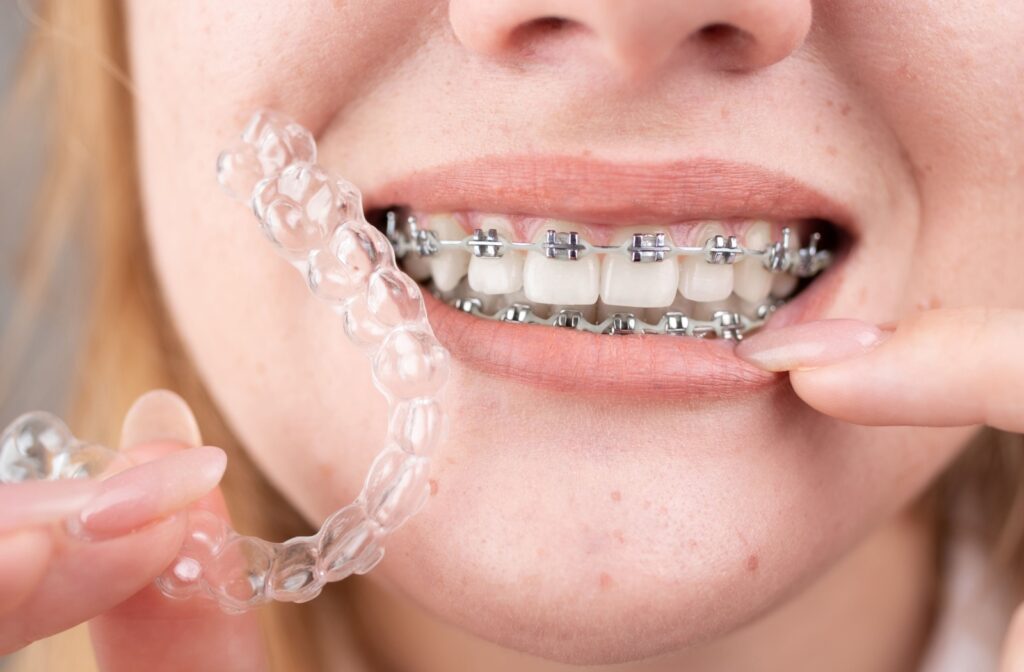
Traditional braces use a system of brackets and wires to gently shift your teeth into the correct position over time. They are a reliable and effective method for correcting a wide range of alignment issues, from simple to complex.
- How they work: Small brackets are attached to each tooth and connected by a thin wire. Your dental team makes regular adjustments to this wire to guide your teeth into proper alignment.
- Appearance: Braces are visible, though you can choose options like clear ceramic brackets that make them less noticeable.
- Daily care: You’ll need to brush and floss carefully around the wires and brackets to keep your teeth and gums healthy during treatment.
A Look at Invisalign® Clear Aligners
Invisalign® clear aligners use a series of custom-made, clear plastic trays to straighten your teeth. You’ll wear each set of aligners for about 1–2 weeks before moving on to the next set in the series, gradually shifting your smile.
- How they work: Each clear aligner is slightly different from the last, applying controlled and gentle force to move your teeth into position.
- Appearance: The trays are made of a smooth, clear plastic, making them nearly invisible when you speak or smile.
- Daily care: You can remove your aligners to eat, drink, brush, and floss just as you normally would, which makes dental hygiene simple.
Compare Your Options Side-by-Side
Choosing between braces and Invisalign® often comes down to your personal preferences, your daily habits, and your specific treatment needs. Here’s a quick comparison of the factors you might consider.
Appearance & Lifestyle
Because Invisalign® aligners are discreet, many people feel more comfortable with them in social or professional settings. You can also remove them for special occasions. With braces, you’ll need to avoid certain hard or sticky foods, while with Invisalign®, you can remove your trays to eat whatever you like.
Comfort & Care
The metal brackets and wires of braces can sometimes irritate the inside of your cheeks or lips, especially at first. However, there are ways to promote comfort while you are adjusting.
Invisalign® aligners are made from smooth plastic, which many people find more comfortable. Cleaning your teeth is also simpler because you can take the trays out to brush and floss without obstruction.
Appointments & Adjustments
With traditional braces, you can expect to visit your dental team for regular adjustments. These appointments, typically every few weeks, are for tightening the wires to continue guiding your teeth into place.
Invisalign® treatment often requires fewer in-person visits. You receive several sets of aligners at once and switch to the next set on your own. Your check-in appointments are scheduled to monitor your progress and make sure everything is moving as planned.
Treatment Time & Results
The length of treatment varies for both options and depends entirely on your individual needs. The final results for both braces and Invisalign® are designed to last for years with proper retainer use. Success with Invisalign® also depends on you—the trays need to be worn for 20 to 22 hours per day to be effective.
Who Is a Good Fit for Each Treatment?
The right choice for you depends on what your teeth need to achieve a healthy, straight smile. A professional consultation is the way to know for sure, but here are some general guidelines to consider.
When Braces May Be Recommended
Traditional braces can be effective for treating complex dental issues. If you have significant bite problems or teeth that need to be moved in specific ways, your dental team might suggest braces as a predictable route.
When Invisalign® Is a Great Option
Invisalign® is a great choice for many people, especially those with mild to moderate crowding or spacing issues. It is also a very popular treatment for adults who prefer a less visible way to straighten their teeth without major changes to their daily routine. As Invisalign® providers, we can help you decide what is the best option for your oral health.
Your Next Steps to a Straighter Smile
Every smile is unique, and so is the path to help straighten it. Understanding the basics of braces and Invisalign® is the first step. The next is to get personalized advice based on your specific goals and your overall dental health.
A conversation with a dentist can help you explore your options in a comfortable, welcoming setting. At Centennial Smiles, our team can assess your smile and collaborate with you to create a treatment plan that feels right for you. You can learn more in this free guide to Invisalign®.