


Your wisdom teeth removal went smoothly, but now you’re worried about what comes next. The thought of developing an infection might keep you up at night, especially when you feel every twinge and notice each change in your mouth.
You can prevent infection after wisdom tooth removal by protecting your blood clot, maintaining gentle oral hygiene, taking medications as prescribed, and watching for warning signs that need immediate attention. Following these steps can help your mouth heal properly and prevent complications. Aftercare is key to recovery, and understanding what to eat and drink after wisdom teeth removal plays a key role in preventing complications.
Why Infections Happen After Wisdom Tooth Removal
Common Causes That Lead to Infection
Your mouth naturally contains bacteria, and after extraction, the open socket becomes vulnerable. When the protective blood clot gets displaced from the extraction site, bacteria can enter the wound and cause infection.
Food particles can easily get trapped in the empty socket where your tooth used to be. These particles create a breeding ground for bacteria, especially when they mix with saliva and remain there for hours or days. This is one of the most common post-extraction complications.
Poor oral hygiene habits during recovery can also lead to trouble. You might avoid brushing near the area because it feels tender, but this allows harmful bacteria to multiply around the healing tissue.
Risk Factors That Increase Your Chances
Smoking or using tobacco products significantly raises your infection risk. The chemicals in tobacco slow down healing, while the sucking motion can dislodge your protective blood clot.
Using straws or spitting forcefully creates negative pressure in your mouth. This suction can pull the blood clot right out of the socket, leaving the bone and nerves exposed to bacteria.
Skipping prescribed medications leaves you without the protection antibiotics provide. Your dentist prescribes these medications for a reason. They help fight bacteria during your most vulnerable healing period.
Immediate Care Steps for the First 24 Hours
Protecting Your Blood Clot
Bite down gently on the gauze pad that your dentist placed over the extraction site. This steady pressure helps the blood clot form and stay in place. Change the gauze every 30–45 minutes or when it becomes soaked with blood.
Resist the urge to rinse your mouth or spit during the first day. These actions can disturb the forming blood clot and delay your healing process.
Keep your head elevated when you rest or sleep. Prop yourself up with extra pillows to reduce blood flow to the area and minimize swelling.
Foods & Drinks to Avoid
Stick to cold or room temperature foods and drinks. Hot liquids can dissolve your blood clot, while hard foods can physically knock it loose when you chew.
Avoid alcohol completely during the first few days as it can slow down your body’s natural healing process and increase your risk of complications.
Proper Cleaning & Oral Hygiene After Day One
Gentle Cleaning Techniques
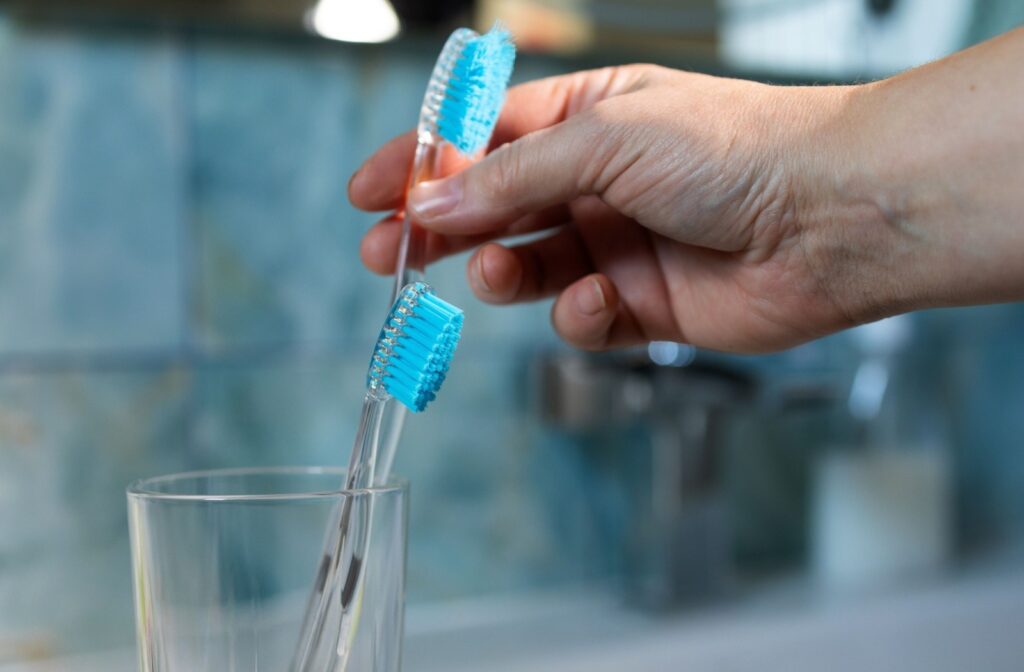
Use a soft-bristled toothbrush and brush very carefully near the extraction site. You can clean the rest of your teeth normally, but treat the healing area with extra gentleness. Avoiding common brushing mistakes becomes even more important during recovery.
Start warm salt water rinses after the first 24 hours. Mix 1/2 teaspoon of salt into a cup of warm water, then gently swish it around your mouth. This natural solution helps clean the area and reduce bacteria.
Your dentist might provide a special irrigation syringe after about 5 days. This tool helps you flush food particles and debris from the socket without applying harmful pressure. Proper oral care techniques remain important throughout your healing process.
Medication Management
Take your full course of antibiotics exactly as prescribed, even if you feel better before finishing them. Stopping early can allow remaining bacteria to multiply and cause infection.
Follow the directions for pain medication carefully. These medications not only help you feel comfortable but also reduce inflammation that can interfere with healing.
Use any prescribed mouth rinse according to the dentist’s instructions. These special rinses contain ingredients that fight bacteria and promote healing around the extraction site.
Warning Signs That Need Your Attention
Watch for severe pain that gets worse after day 3 instead of better. Normal healing brings gradual pain relief, so increasing pain often signals a problem.
Contact the dentist if you develop persistent swelling or a fever above 101°F. These symptoms suggest your body is fighting an infection that needs professional treatment.
Notice any foul taste or unusual discharge coming from the socket. Healthy healing tissue shouldn’t produce bad odours or strange drainage.
Recovery Timeline Expectations
Expect the most intense healing to happen in the first week, with gradual improvement over the following weeks. Your gums will slowly close over the socket, and any discomfort should steadily decrease.
Plan to avoid strenuous activities for the first week after your extraction. Heavy lifting or intense exercise can increase blood pressure and disrupt your healing blood clot.
Schedule your follow-up appointment as recommended by the dentist. These check-ups help catch any problems early and help your recovery stay on track. Emergency dental services remain available if complications arise between visits.
Professional Support & Care
Contact our dental office immediately if you experience severe pain, persistent bleeding, or signs of infection. Don’t wait until regular office hours if you’re concerned about your healing.
Regular dental check-ups become even more important after wisdom tooth removal. Your dentist can monitor the healing site and address any concerns before they become serious problems. Professional dental exams help maintain your oral health throughout recovery.
Maintain consistent oral health habits once you’ve healed completely. Good daily care helps prevent future dental issues and keeps your mouth healthy for years to come.
Our team at Centennial Smiles understands that wisdom tooth recovery can feel overwhelming. If you have concerns about your healing process or need guidance during your recovery, don’t hesitate to reach out for the support you deserve.