

Key Takeaways
- Gum disease often starts as gingivitis, which is usually painless and easy to miss.
- Bleeding when you brush or floss, puffy gums and lasting bad breath can be early signs.
- Smoking, hormone changes, diabetes and dry mouth can raise your risk.
- Early care can help your gums heal before the problem reaches the bone.
- Daily brushing, flossing and regular cleanings can help keep your gums healthy.
You spit after brushing and notice a streak of pink in the sink. It’s easy to shrug off, especially when nothing hurts. At Centennial Smiles, the team knows that small changes like this are often the first hint that your gums need a little extra care.
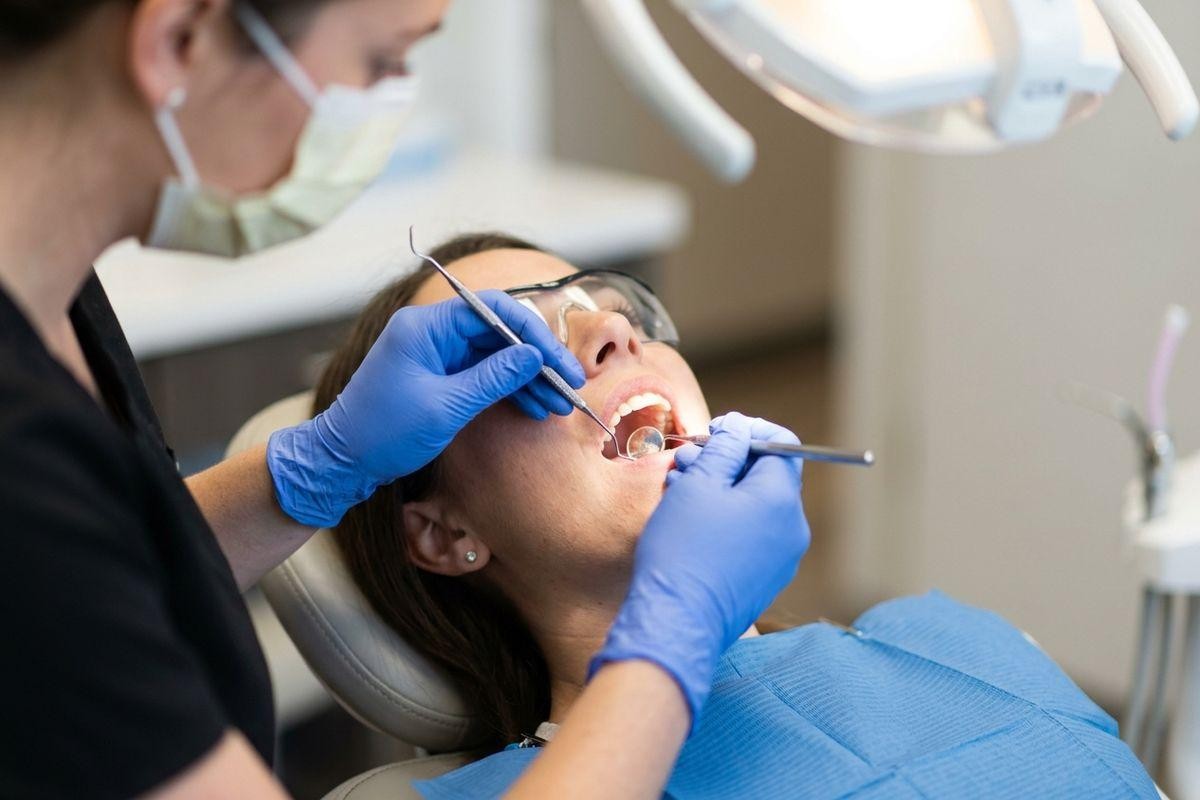
Common signs of gum disease include red, puffy or bleeding gums and bad breath that lingers, and you can help prevent it with daily brushing, flossing and regular dental cleanings. A routine dental hygiene visit at Centennial Smiles gives the team a chance to spot these changes early and help you stay ahead of them.
What Is Gum Disease?
Gum disease affects the tissue around your teeth. It comes in two main stages, and each one calls for a different kind of care.
Gingivitis Is the Early Stage
Gingivitis is gum swelling caused by plaque near your gumline. It’s often painless, so you might not notice it at all.
The good news is that professional cleanings and steady home care can help your gums heal at this stage.
Periodontitis Is the Later Stage
Periodontitis reaches past your gums and affects the bone that holds your teeth in place. Damage at this stage usually can’t be fully undone.
However, the right treatment can help you manage it and keep your smile comfortable.
Signs of Gum Disease to Watch For
Knowing what healthy gums look like makes changes much easier to spot in the mirror.
What Healthy Gums Look Like
Healthy gums feel firm and fit snugly around each tooth. Their colour can range from light pink to brown. Healthy gums generally do not bleed when you brush or floss.
Early Signs
Early gum disease often shows up in small ways you can see, feel or taste:
- Your gums look red and puffy or feel tender.
- Your toothbrush turns pink or you see blood when you floss.
- Bad breath sticks around even after you brush.
Later Signs
As gum disease moves forward, the signs tend to become harder to ignore:
- Your gums pull away, making your teeth look longer.
- A tooth feels loose or your bite feels different when you chew.
- You notice pus or a bad taste near your gums.
What Raises Your Risk of Gum Disease?
Hormonal changes can affect gum health, including pregnancy and menopause.
Common risk factors include:
- Smoking, vaping or chewing tobacco.
- Hormone changes, such as pregnancy or menopause.
- Diabetes, dry mouth and certain medicines.
If one of these applies to you, the team can adjust your care to match.
How Early Care Helps Your Gums
Why Early Care Matters
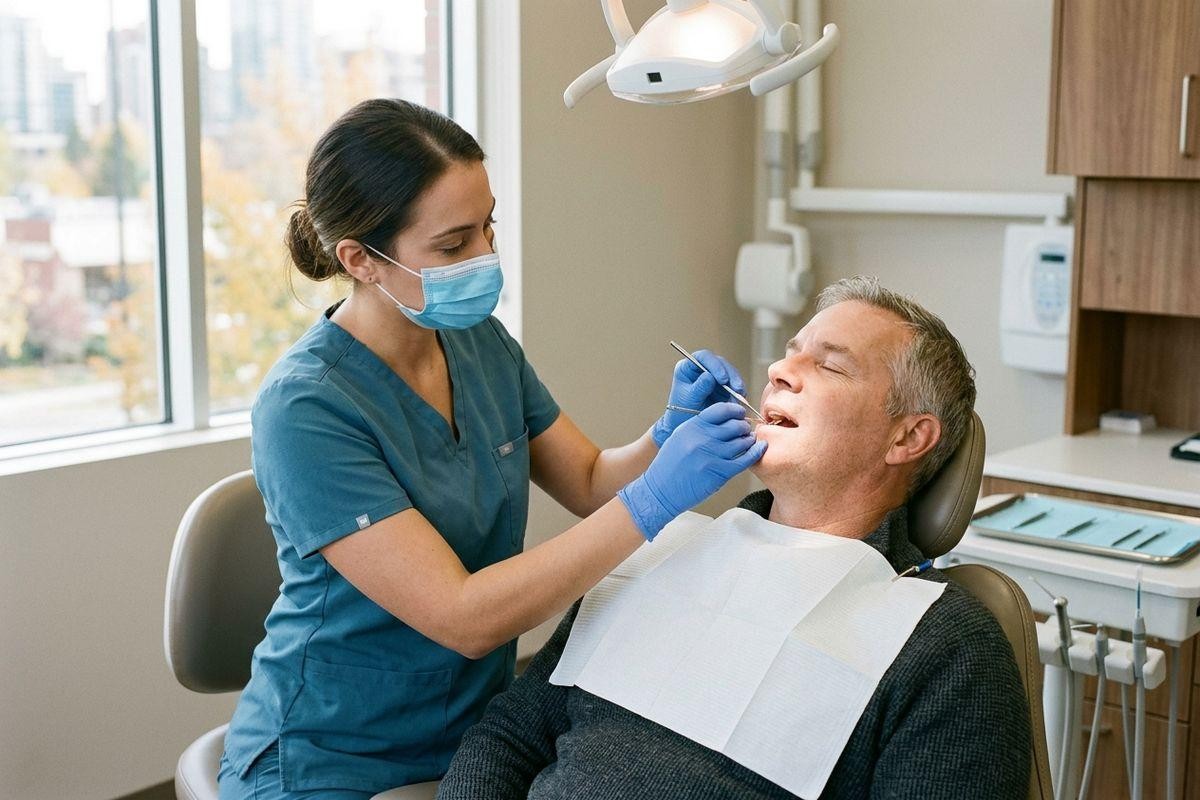
Plaque is the soft, sticky film you can feel on your teeth at the end of a long day. Over time, it can harden into tartar. Your toothbrush can’t remove tartar, but a professional cleaning can.
When gingivitis is caught early, cleanings and good home care can help your gums heal and stay healthy.
Treatment Options Your Dentist May Suggest
Your dentist can suggest care based on the stage of your gum health. Options may include:
- Routine cleanings plus daily home care for gingivitis.
- Scaling and root planing for a deeper clean.
- Periodontal treatment or referral for advanced gum disease.
How to Prevent Gum Disease
Simple Daily Habits
Small habits add up. A few minutes each morning and night can help keep your gums firm and comfortable.
These daily steps can help protect your gums:
- Brush for 2 minutes, at least 2 times a day.
- Floss once a day, before you brush.
- Eat balanced meals with enough vitamin C, such as oranges, strawberries or red peppers.
Regular Dental Visits
Your ideal cleaning schedule depends on your oral health and risk factors. Follow the interval your dental team recommends, and ask whether you need more frequent visits:
- Follow the cleaning interval your dental team recommends.
- You may need more frequent visits if you have risk factors.
- Share any gum changes you notice with the team.
Your gums give you early clues, and paying attention to them can help you keep your natural teeth comfortable for years to come. Centennial Smiles brings dental care and facial wellness together in one central location, so you can spend less time travelling between clinics.
Book your next cleaning with the team at Centennial Smiles and bring along any questions about changes you’ve noticed.